How to Switch Your Dog to a Raw Diet
Switch To Raw Guide
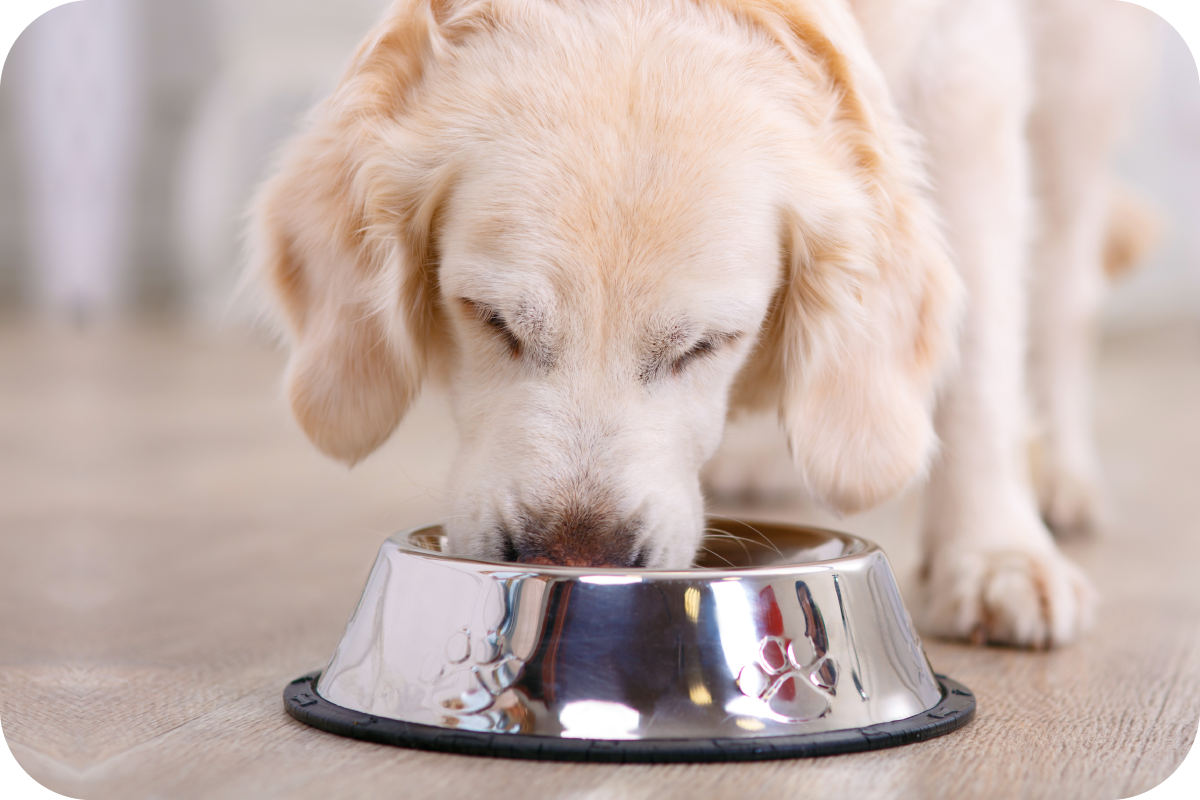
Thinking about switching your dog to a raw diet? Whether you're feeding kibble, wet food or another diet, making the transition to raw can be simpler than you might think. Most healthy dogs adapt quickly, and with the right approach, the switch can be made safely and confidently.
This guide will walk you through every stage of the process, from choosing the best transition method and introducing your dog's first raw meals to understanding the changes you may notice along the way. By the end, you'll have everything you need to make the move to raw feeding with confidence.
The Quick Answer
How Should You Switch Your Dog to Raw Food?
Most healthy dogs can switch to complete raw food either straight away or gradually over three to seven days. A straight switch often works well for healthy adult dogs, while a slower transition may suit dogs with sensitive digestion or owners who prefer to introduce raw food gradually.
Start with simple, complete meals and keep your dog’s first few meals consistent. Once they are comfortable, follow our four-week Easy Switch Plan to introduce additional recipes and proteins.
Switching to Raw
Can Every Dog Switch to Raw?
Most healthy dogs can successfully switch to a complete and balanced raw diet, regardless of whether they’re currently eating kibble, wet food or another diet. Every dog is an individual, however, so the best transition method may vary depending on their age, health and previous diet.
After years of helping owners switch their dogs to a healthy raw diet, we recommend following our four-week Easy Switch Plan below.
Healthy Adult Dogs
Healthy adult dogs are usually the easiest to transition. Many owners choose to make a straight switch from their existing food to raw, while others prefer a more gradual approach.
Both methods can be successful, and we’ll explain below how we recommend making the switch.
Puppies
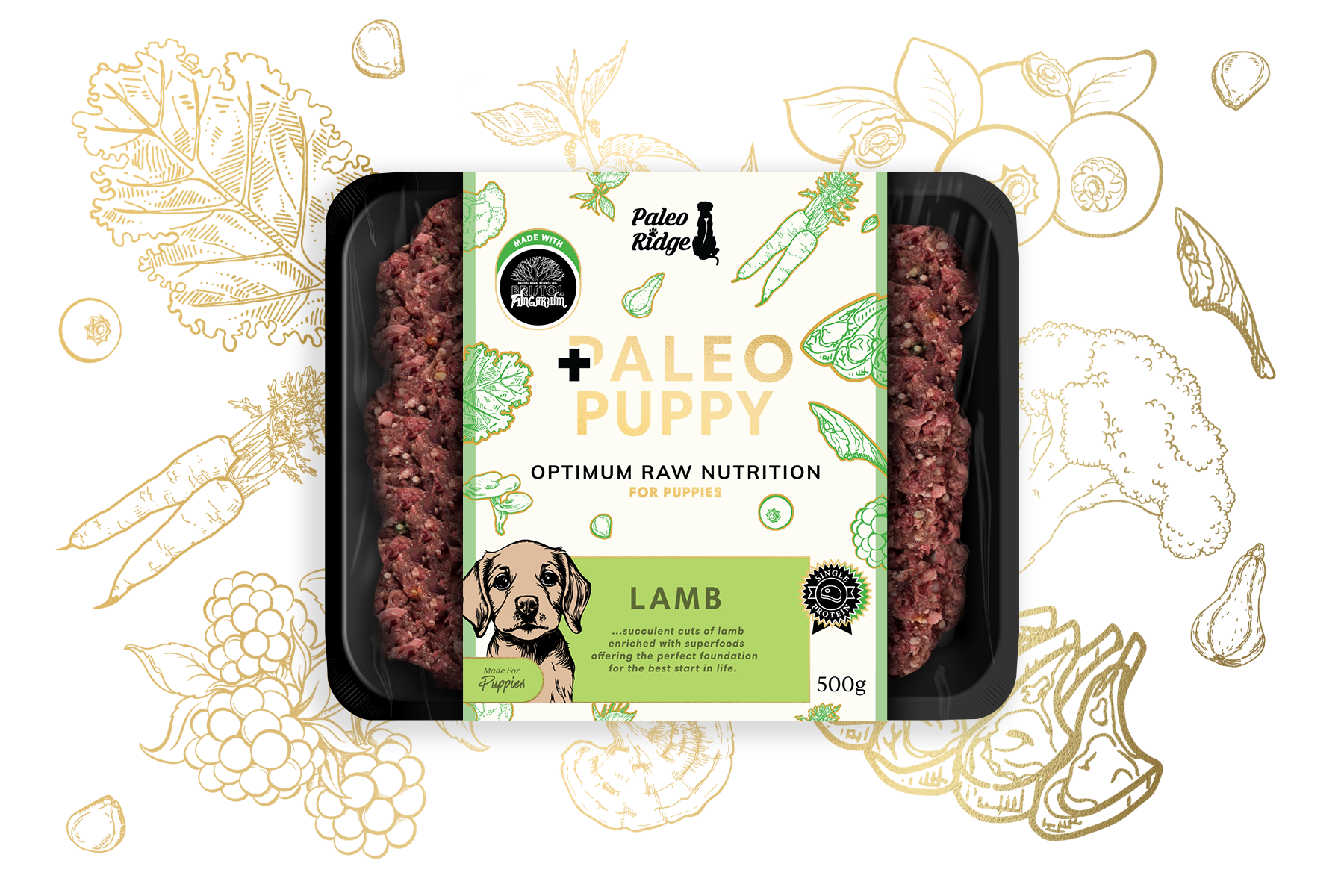
Puppies also thrive on a nutritionally complete raw diet, but their nutritional requirements differ from those of adult dogs.
If you’re introducing a puppy to raw, it’s important to choose a diet that’s specifically formulated for growth and to ensure they’re receiving the correct amount for their age and expected adult weight.
Senior Dogs
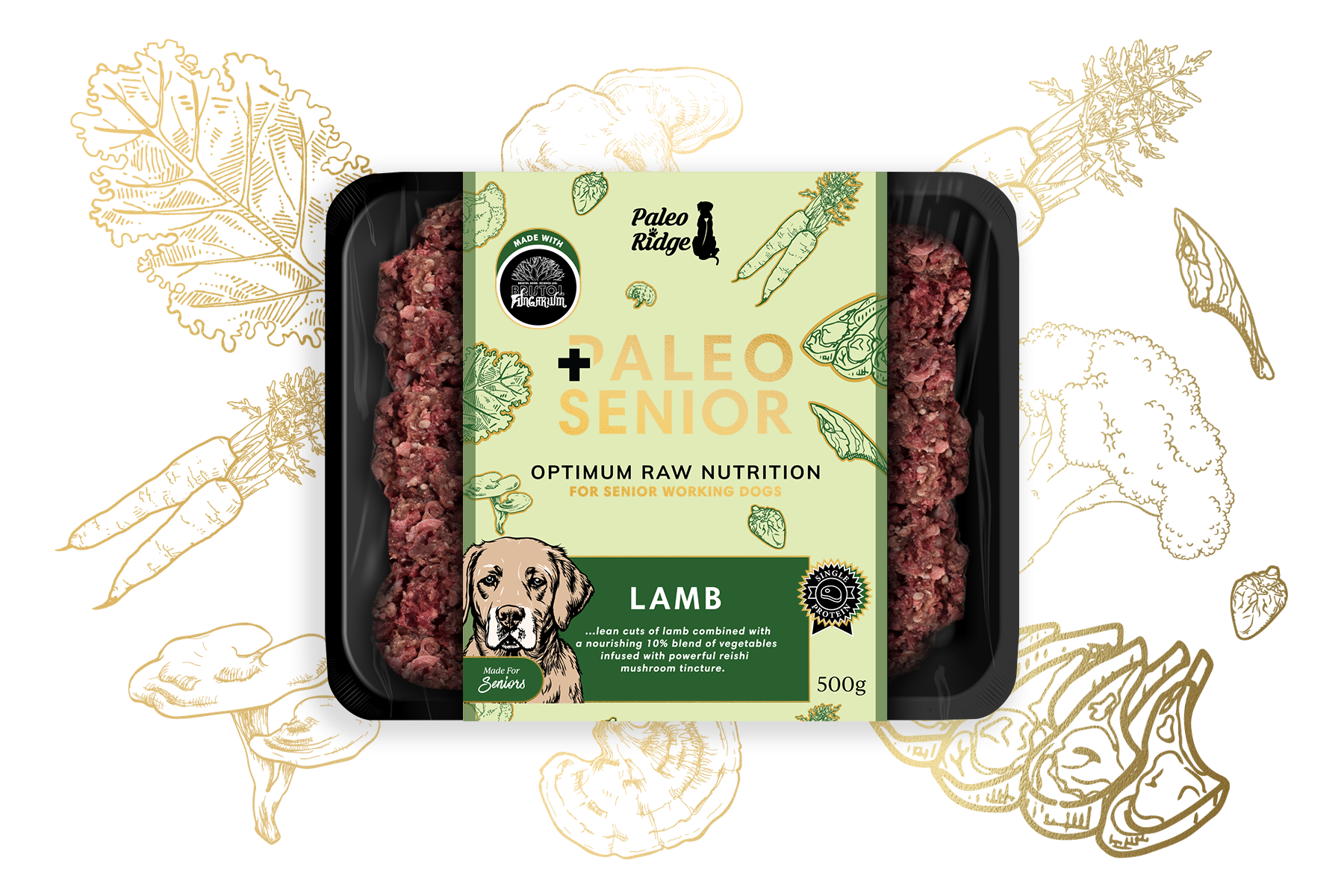
Age alone isn't a reason to avoid raw feeding. Many older dogs transition successfully and continue to enjoy a complete raw diet. There are a range of health benefits that go hand in hand with feeding a raw diet.
Explore our range of products specifically formulated for Senior dogs.
Dogs With Existing Health Conditions
Dogs with diagnosed medical conditions, food sensitivities or those on prescription diets may still be able to eat a raw diet, but it’s sensible to seek advice before making significant dietary changes.
If your dog has a medical condition or you’re unsure whether raw feeding is suitable, speak to your vet or a qualified canine nutrition professional before beginning the transition.
Top Tip
Most healthy dogs don’t need a complicated transition plan. Whether you choose to switch straight away or gradually over a number of days, monitoring your dog’s appetite, stools and overall wellbeing will help you decide if any adjustments are needed as they settle into their new diet.
Straight Switch or Gradual Transition?
Choosing the Best Way to Switch Your Dog to Raw
There are two main ways to introduce a raw diet: making a straight switch or transitioning gradually over several days. Both approaches can work well, and the right method will depend on your dog’s current diet, digestive sensitivity and individual needs.
Two Ways to Switch
Straight Switch or Gradual Transition?
Choose the approach that best suits your dog’s current diet, digestive sensitivity and individual needs.
Making a Straight Switch
A straight switch means stopping your dog’s current food and beginning their raw diet at the next meal. Many healthy adult dogs adapt well to this approach, particularly when starting with simple recipes.
Keep their first meals consistent and monitor their appetite, stools and general wellbeing while they adjust.
Making a Gradual Transition
A gradual transition introduces raw food alongside your dog’s current diet over several days. This may suit dogs with more sensitive digestion or owners who prefer to make the change slowly.
Day 1: 25% raw and 75% current food
Day 2: 50% raw and 50% current food
Day 3: 75% raw and 25% current food
Day 4 onwards: Move to fully raw meals if your dog is adjusting comfortably.
These percentages are a guide. Some dogs may benefit from transitioning more slowly over five to seven days.
Your First Four Weeks
The Paleo Ridge Easy Switch Plan
Once your dog has started eating raw food, introduce different recipes and proteins gradually. Our four-week plan gives you a simple starting point while helping your dog become accustomed to greater variety.
Week 1: Start Simply
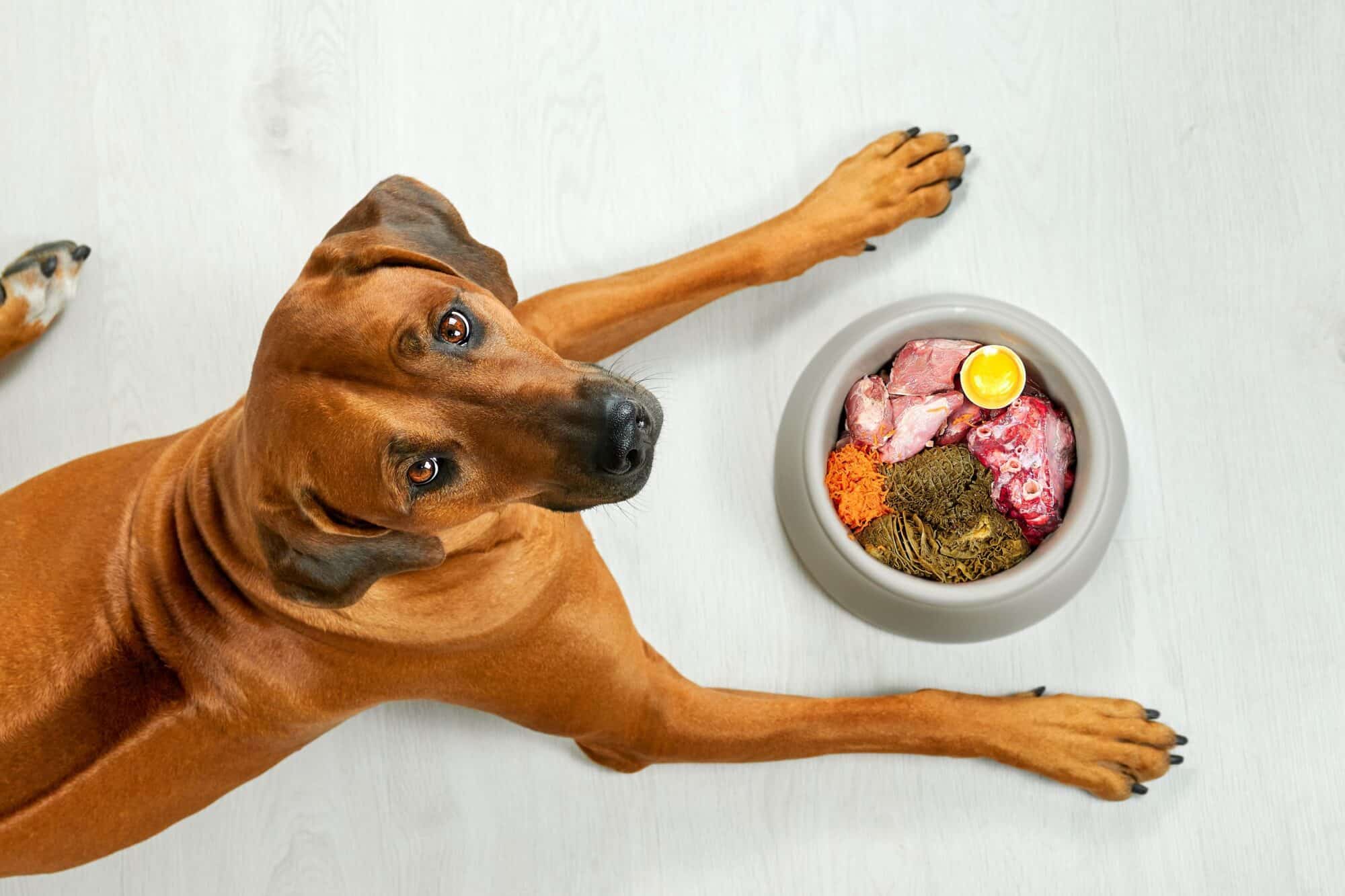
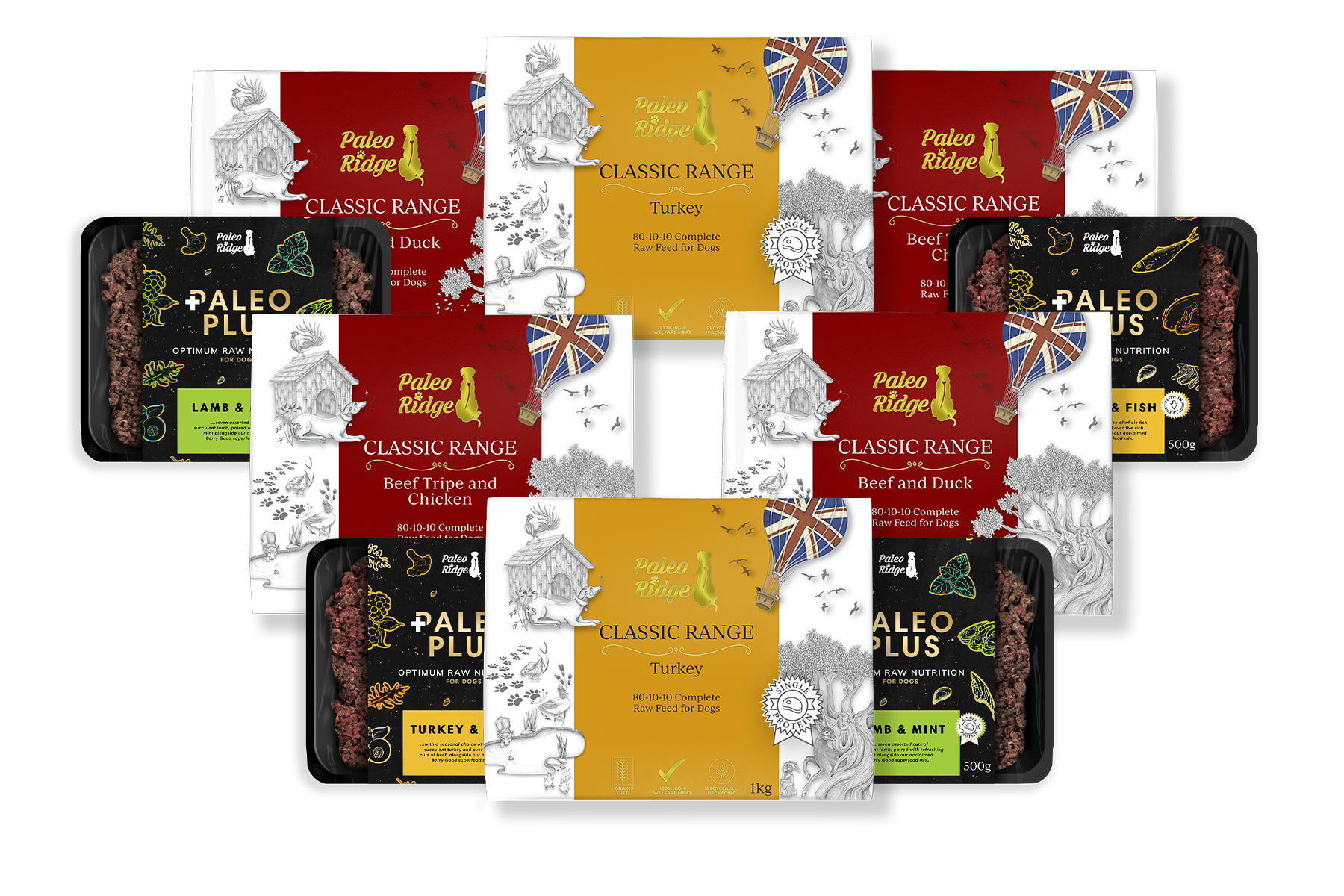
Begin with Classic Turkey or Classic Lamb Tripe and Turkey. Keep meals consistent during the first week while your dog adjusts to their new diet.
Week 2: Introduce a Second Recipe
Introduce Classic Beef Tripe and Chicken or Classic Beef Tripe and Duck alongside the recipes your dog has already tried.
Week 3: Add More Variety
Introduce Classic Beef and Duck or Classic Duck, continuing to rotate the recipes your dog is comfortable eating.
Week 4: Explore the Wider Range
Introduce Paleo Plus Lamb & Mint or Paleo Plus Turkey & Fish. By this stage, your dog should have experienced several proteins and recipes.
What Comes Next
After the First Four Weeks
Once your dog is comfortable with the initial recipes, you can begin introducing other suitable meals from across the Paleo Ridge range. Continue adding new recipes gradually and monitor how your dog responds.
Building a Balanced Routine
Building Variety Into Your Dog’s Raw Diet
Once your dog has fully transitioned to raw, you can begin introducing a wider variety of suitable recipes and proteins. Different animal proteins and recipes provide different flavours, textures and ingredient profiles, while variety can also help keep mealtimes interesting.
Introduce one new recipe at a time and allow your dog to become comfortable with it before adding another. Over approximately two months, you could aim to rotate between five or six suitable animal proteins, such as lamb, beef, duck, chicken, fish, pork, venison or turkey.
Dogs with known allergies or intolerances should only be offered recipes containing ingredients that are suitable for them.
How to Introduce More Variety
Begin with the recipes in the Easy Switch Plan and gradually build a rotation using other suitable complete meals from across our Classic and Paleo Plus ranges.
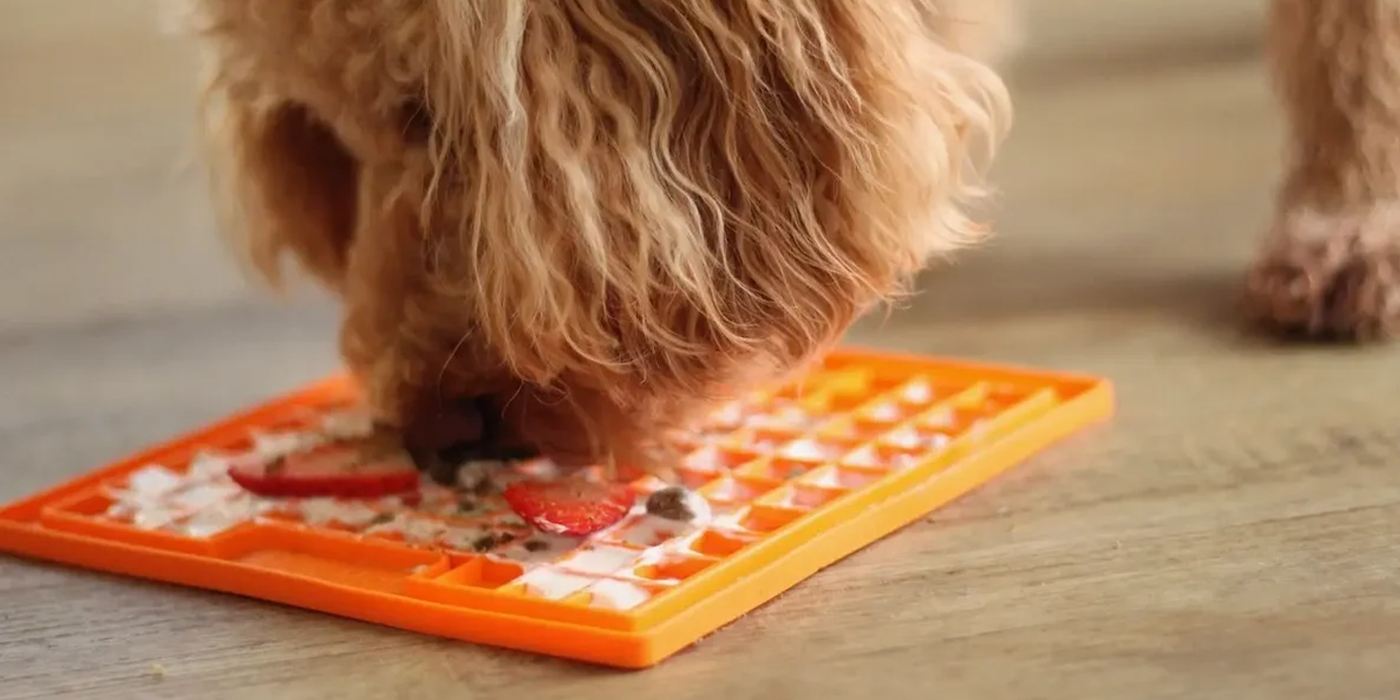
Once your dog is comfortable with their regular raw meals, you may also choose to introduce occasional additions such as an egg, appropriately prepared whole fish or bone broth. These should complement your dog’s complete meals rather than replace them.
Continue introducing new foods individually so it is easier to identify anything that does not agree with your dog.
Optional Extras
Fruit and Vegetables in a Raw Diet
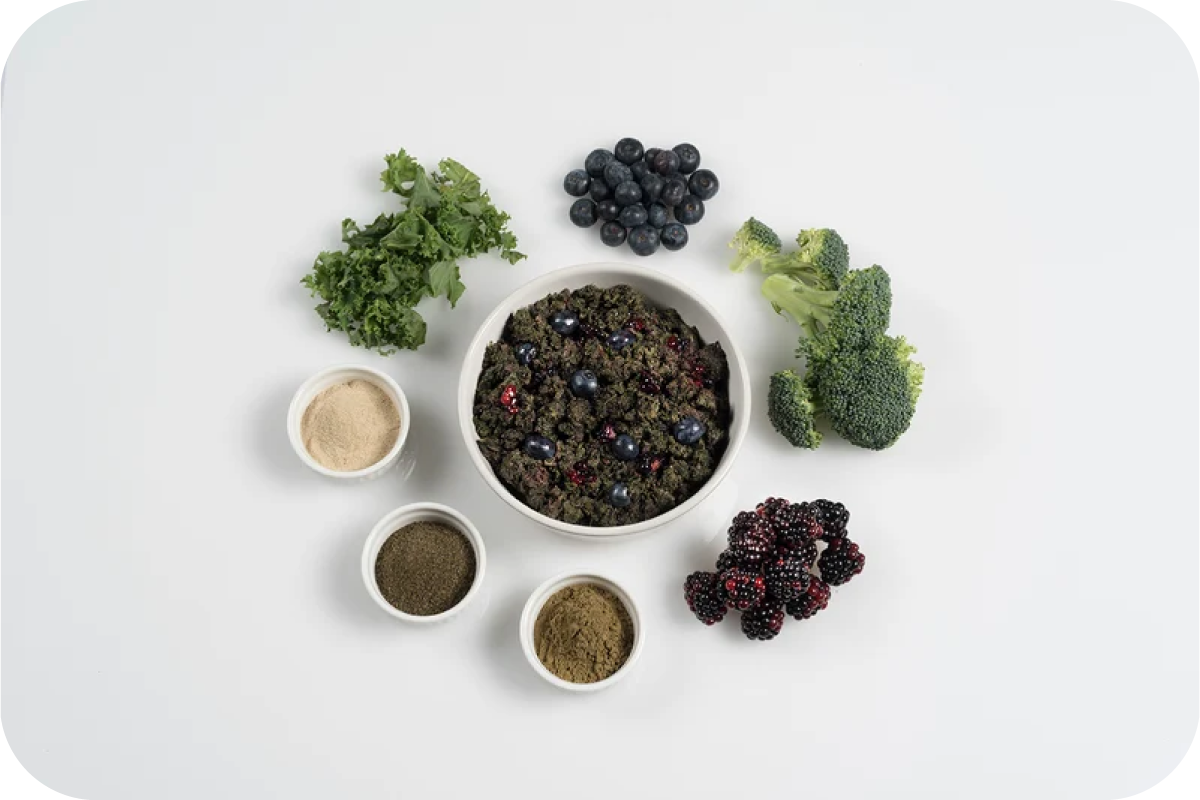
Some owners choose to include fruit and vegetables as part of their dog’s raw feeding routine, while others prefer meals made entirely from animal ingredients. Both approaches can work, provided your dog’s overall diet is nutritionally appropriate.
Our Paleo Plus recipes include a carefully selected blend of plant-based ingredients and superfoods. For owners who prefer not to feed fruit or vegetables, our Classic 80:10:10 meals and DIY range provide animal-based options.
When feeding vegetables, finely chopping, blending, pulping or lightly cooking them can make them easier for dogs to eat and digest. Introduce any new ingredient gradually and only feed fruits and vegetables that are suitable for dogs.
Small pieces of dog-safe fruit or vegetables can also be offered occasionally as treats. Carrot, banana and blueberries are popular choices, with blueberries being particularly convenient for training due to their small size.
Natural Enrichment
Introducing Raw Bones
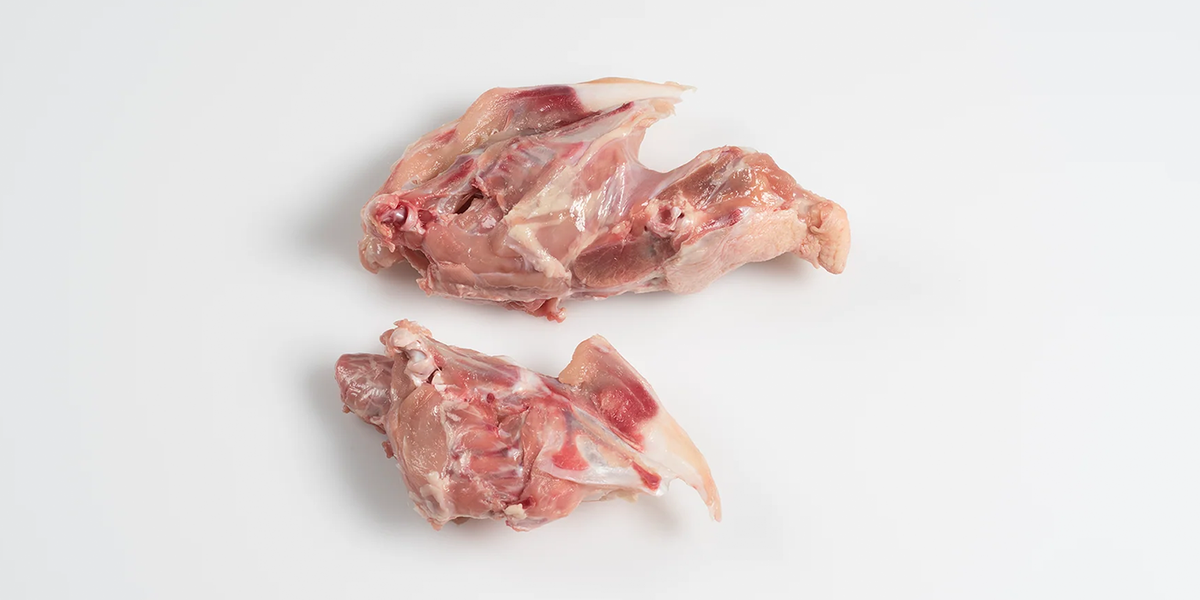
Chewing suitable raw bones can provide valuable mental and physical enrichment for your dog. The natural chewing action can also help scrape food and plaque from the teeth, supporting cleaner teeth and healthy gums.
Raw bones should be introduced gradually once your dog is comfortable with their new diet. Some dogs given bones too early in the switching process may bring them back up a few hours later, while others manage them without any difficulty. If this happens once and your dog otherwise appears completely well, allow them more time to adjust before trying again.
Bone should be fed sparingly, should always be appropriate for your dog’s size and chewing style, and must be supervised. Feeding too much bone can lead to very firm stools or constipation.
Always feed raw bones rather than cooked bones, never feed cooked bones. Remove the bone if it becomes small enough to swallow whole.
Every dog chews differently, so choose bones carefully and monitor your dog throughout.
What to Expect
Changes You May Notice After Switching to Raw
As your dog adjusts to a species appropriate and moisture-rich raw diet, you may notice changes in how much they drink and in the size, frequency and appearance of their stools. These changes are common and often become more noticeable when switching from dry food.
Water Intake
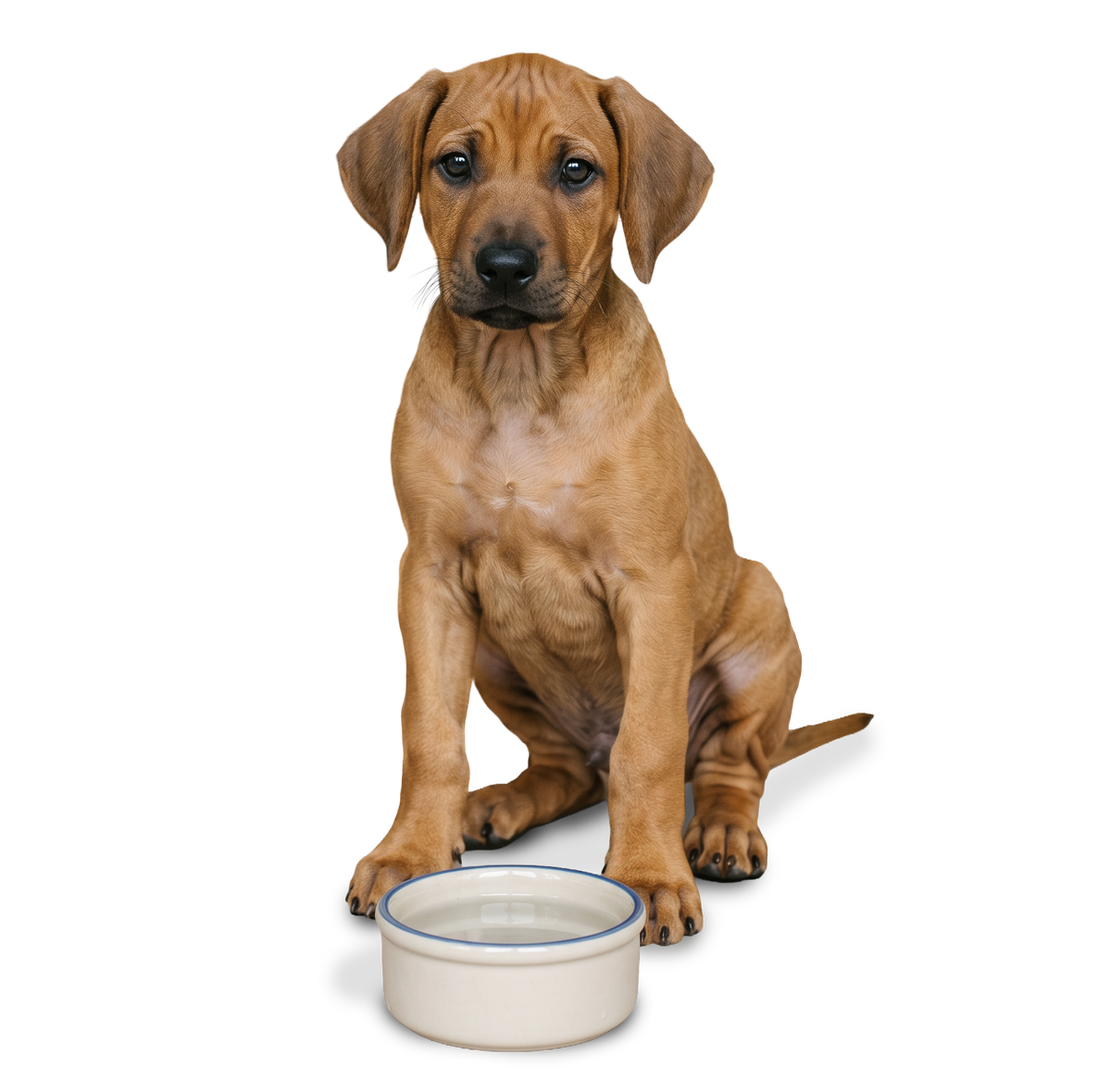
Raw food naturally contains a high level of moisture, so many raw-fed dogs drink less water than dogs eating dry food. If you are switching from kibble, the reduction in water intake can be particularly noticeable.
This is generally a normal part of moving onto a moisture-rich, natural diet.
Your dog should always have unlimited access to clean, fresh drinking water.
Smaller, Less Frequent Stools
Raw-fed dogs often produce smaller, firmer stools and may need to go less frequently. This is because a suitable raw diet is highly digestible, meaning more of the food is used by the body and less waste is produced.
Some dogs may pass stools once a day, while others may occasionally skip a day, particularly during the early stages of switching. As long as your dog is comfortable, eating normally and not straining, this is usually nothing to worry about.
When To Ask For Help
If your dog appears uncomfortable, repeatedly strains without producing a stool, develops persistent diarrhoea or vomiting, stops eating, or seems generally unwell, contact your vet for advice.
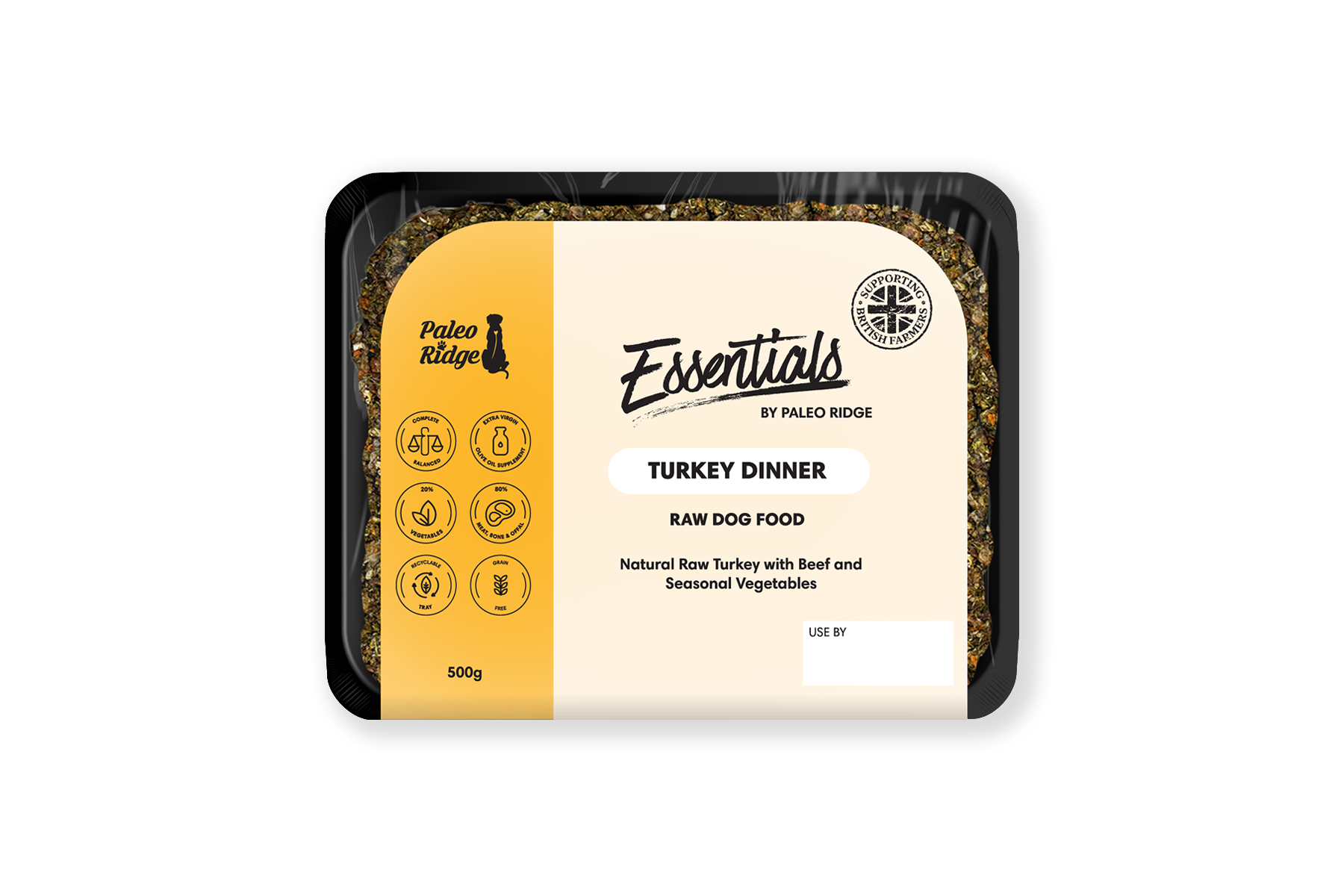
Choose from our wide range of Raw Dog Food
Continue Your Raw Feeding Journey
Common Questions
Switching Your Dog to Raw: FAQs
Find answers to the most common questions about changing your dog’s diet, choosing their first meals and feeding raw food safely.
Should I switch my dog to raw food immediately or gradually?
Many healthy adult dogs adapt well to a straight switch, where their current food is stopped and raw food is introduced at the next meal. Other dogs may benefit from a gradual transition over three to seven days, particularly if they have sensitive digestion or have eaten the same diet for a long time.
There is no single method that suits every dog. Choose the approach that feels most appropriate, introduce simple complete meals first and monitor your dog’s appetite, stools and general wellbeing.
How long does it take a dog to adjust to raw food?
Some dogs adjust within a few days, while others may need a week or longer to settle into their new routine. During this time, you may notice changes in water intake and the size, firmness or frequency of their stools.
Introduce new recipes gradually and allow your dog time to become comfortable with each one. If they develop persistent vomiting or diarrhoea, stop eating or appear unwell, contact your vet.
Which raw meals should I buy first?
Begin with simple, complete raw meals and keep your dog’s first few meals consistent. Our Easy Switch Plan starts with Classic Turkey or Classic Lamb Tripe and Turkey before gradually introducing further recipes and proteins.
Once your dog is comfortable with their initial meals, you can begin building a wider rotation from across the Paleo Ridge range.
Can I mix kibble and raw food during the transition?
Raw food and your dog’s existing food can be combined temporarily when making a gradual transition. Begin with a small proportion of raw food, then increase it over several days while reducing the previous food.
Once the transition is complete, we recommend feeding suitable complete raw meals consistently rather than continuing to combine the two diets long term.
How much raw food should I feed my dog?
The right amount depends on your dog’s weight, age, activity level and body condition. Puppies generally require a larger proportion of their body weight than adult dogs, while individual adult requirements can also vary considerably.
Use our Raw Food Calculator to estimate a suitable starting amount, then monitor your dog’s body condition and adjust their portions where needed.
Is raw feeding safe—am I putting myself or my family at risk?
Raw pet food should be stored, prepared and handled with the same care as raw meat intended for people. Wash your hands thoroughly after handling it, clean and disinfect bowls, utensils and preparation surfaces, and keep raw pet food separate from human food while storing and defrosting it.
Following good food-hygiene practices helps reduce the risk of cross-contamination while allowing you to feed raw confidently.
My vet says raw diets are bad for dogs. What should I do?
Veterinary professionals may raise concerns about nutritional balance, food hygiene or whether a particular diet is suitable for an individual dog, but they are not all nutritionists. In some instances, these are reasonable subjects to discuss, especially if your dog has a diagnosed health condition or follows a prescription diet.
When choosing raw food, look for complete recipes made under robust manufacturing and food-safety standards, and follow appropriate storage and handling guidance at home.
Your vet understands your dog’s medical history, while the Paleo Ridge team can help explain our recipes, ingredients, feeding quantities and production standards. Using both sources of information can help you make an informed decision for your dog.
We support the Raw Feeding Veterinary Society, who promote safe raw feeding.
We are also a RawSafe accredited manufacturing company. RawSafe is the only independent, veterinary-led certification body for raw pet food in the UK. We are audited independently against this standard and advocate for high standards of food safety in the raw pet food industry.
How should I store and defrost raw dog food?
Keep raw dog food frozen until it is needed and defrost it in the refrigerator, ideally inside a dedicated, covered container and away from food intended for people.
Follow the storage and use instructions provided on the packaging, wash bowls and utensils after feeding, and dispose of food that has been left uneaten for an extended period. Do not refreeze fully defrosted food unless the product instructions specifically confirm that this is suitable.
Can I refreeze the food once defrosted?
No. We do not recommend refreezing the food once it has fully defrosted. Once fully defrosted, it will last in the fridge for 3 days.
Always follow the on pack instructions.