
Deciding whether your dog needs supplements isn't always straightforward, especially when there are so many more supplement companies than there used to be!
It is a fact that, if you are feeding your dog a well-balanced, high-quality diet free from processed foods, you will more than likely be meeting your dog's nutritional needs. However, there are times when supplementation can offer real health benefits.
Below we break down when supplements are most useful, what the research says, and why quality, purpose-driven products matter.
Joint Support
As dogs get older or stay highly active, joint health can start to decline. Supplements such as omega-3 fatty acids, glucosamine and chondroitin are often used to support joint comfort and mobility.
Veterinary resources note that omega-3 fatty acids, particularly EPA and DHA, can help reduce inflammation and support joint comfort in dogs with osteoarthritis and higher activity demands.
Glucosamine and chondroitin have mixed evidence, but many vets consider them adjunctive support rather than cures, especially in early disease or ongoing long-term management.
When to consider supplementation:
- Older dogs with stiffness or arthritis
- Highly active dogs or working breeds
- Dogs showing signs of reduced mobility
Vets include joint nutraceuticals alongside diet and weight management to moderate degeneration and reduce discomfort, although results can vary from dog to dog.
Don't forget we have a natural, raw supplement to support your dogs joints. DIY Joint Aid is an excellent addition to the diet. We also stock Verm-X Organic Dog Food Topper: Joint Support Blend.
Probiotics and Gut Health
Many dogs experience occasional or chronic digestive issues, and here probiotics can be particularly valuable.
Studies show that adding probiotics to a dog’s diet can influence gut microbiota composition, aiding in improved stool quality and reduced digestive upset.
Controlled trials also demonstrate that certain probiotic strains can shorten the duration of acute diarrhoea compared with no treatment.
When to consider supplementation:
- Dogs with diarrhoea, loose stools or digestive upset
- Dogs recovering from antibiotics
- Dogs with sensitive digestion
Not all probiotics are equal. Strain, dose and product quality make a big difference. We recommend using natural probiotics, always look for the ingredients and avoid fillers and additives.
Suitable strains for dogs are:
- Lactobacillus Acidophilus
- Lactobacillus Casei
- Lactobacillus Plantarum
- Lactobacillus Rhamnosus
- Bifidobacterium Animalis
- Bifidobacterium Longum
- Enerococcus Faecium
- Pediococccus Acidilactici
- Lactobacillus Reuteri
- Bacillus Coagulans
- Bacillus Indicus
- Bacillus Subtilis
We have a selection of probiotics available on our website including Dorwest Probiotic Plus and Proflax Tummy Tastic.
Immune & Skin Support
Supplements such as omega-3s can help support the immune system and skin health, especially where inflammation is part of the issue.
Omega-3 fatty acids are among the most consistently supported ingredients for reducing inflammatory markers and supporting skin comfort in allergic or itchy dogs.
Research also shows that certain prebiotics and postbiotics can modulate immune responses and possibly support mucosal immunity in older or immunosenescent dogs.
When to consider supplementation:
- Dogs with dry, itchy skin or allergies
- Older dogs with signs of immune decline
- Dogs with chronic inflammatory issues
In the modern world there are many toxins your dog comes face to face with on a daily basis. Our environment is more toxic than ever, from cleaning products to car fumes. Environmental toxins have a negative impact on your dogs microbiome and their immune system can suffer.
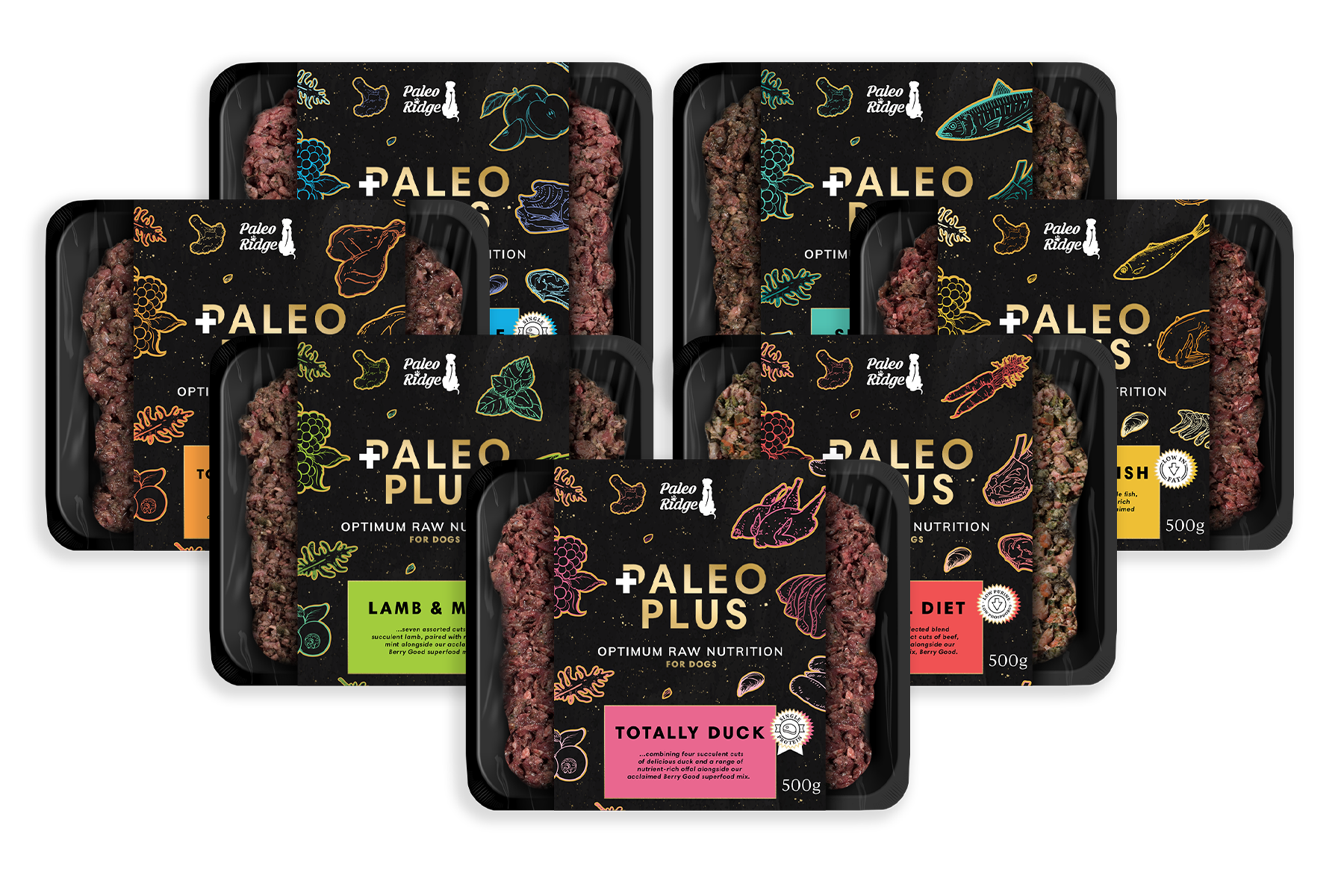
Including natural antioxidants in your dogs diet can help boost your dogs immune system to help them thrive. We include these within our Paleo Plus range to ensure your dog gets that extra support.
Healthy Adults on Complete Diets
If your dog is eating a complete and balanced diet formulated by board-certified veterinary nutritionists, most additional supplements should not be necessary.
Large veterinary nutrition organisations caution that over-supplementation, especially of fat-soluble vitamins or minerals, can be harmful if not carefully balanced.
Summary
Look for supplements with natural ingredients and evidence backing (like EPA/DHA for joints or specific probiotic strains for digestion). Work with your vet or healthcare professional to tailor choices based on your dog’s health, age and lifestyle.
Always follow dosing instructions and monitor your dog’s response over time.
In Summary, supplements can be very useful for joint health and comfort, digestive and gut support, skin/immune support, but they are not a one-size-fits-all solution. Every dog is different and has different needs.
Always chat with a healthcare professional if you are unsure of what to include in your dog's diet.
We at Paleo Ridge are here to guide you and offer support, our aim is (and always has been) to help your dog live a happy and healthy life.